

What Happens to Your Furniture When the Movers Aren't Liable (And How to Make Sure They Are)
Moving furniture safely starts long before the truck shows up. The contract you sign before moving day determines whether your mover is financially responsible for your belongings. Most people don't read that section. Most movers count on that.
The Valuation Clause Most People Skip
Every interstate moving contract includes a valuation section. Most people skip right past it. That section decides how much a mover owes you if your furniture arrives damaged, and the default option almost always protects the mover, not you.
That default is called released value protection. It costs nothing extra, which is why most movers present it as standard. What it means in practice is that your mover's liability caps at $0.60 per pound per item. A solid wood dining table that weighs 100 pounds and costs $2,000 to replace gets you a $60 check under this option. Most homeowners don't discover this until they're already trying to file a claim.
The alternative is full value protection. Under this option, your mover is responsible for repairing the damaged item, replacing it with a comparable one, or paying you the current market value. It costs more and the rate varies by carrier. But it's the only option that holds the mover financially accountable for what actually happened to your furniture.
Why Movers Don't Always Explain This Clearly
FMCSA regulations require licensed interstate movers to offer both valuation options and explain them before you sign. Not all movers do this clearly. Some bury the valuation section in small print. Others present released value as the default without explaining what it means in real dollar terms.
A mover who glosses over the valuation conversation is showing you something about how they operate. A fully licensed Tennessee moving company walks you through both options before a contract is signed.
What Released Value Protection Actually Costs You
The $0.60 per pound cap is not a worst-case scenario. It's the standard outcome for every claim filed under released value. Here's what that looks like across common household pieces:
- A 50-pound upholstered sofa worth $1,200: you receive $30
- A 75-pound flat-screen TV worth $800: you receive $45
- A 30-pound mirror worth $400: you receive $18
- A 150-pound antique armoire worth $3,500: you receive $90
These are not edge cases. This is how released value works, every time, for every item on that list.
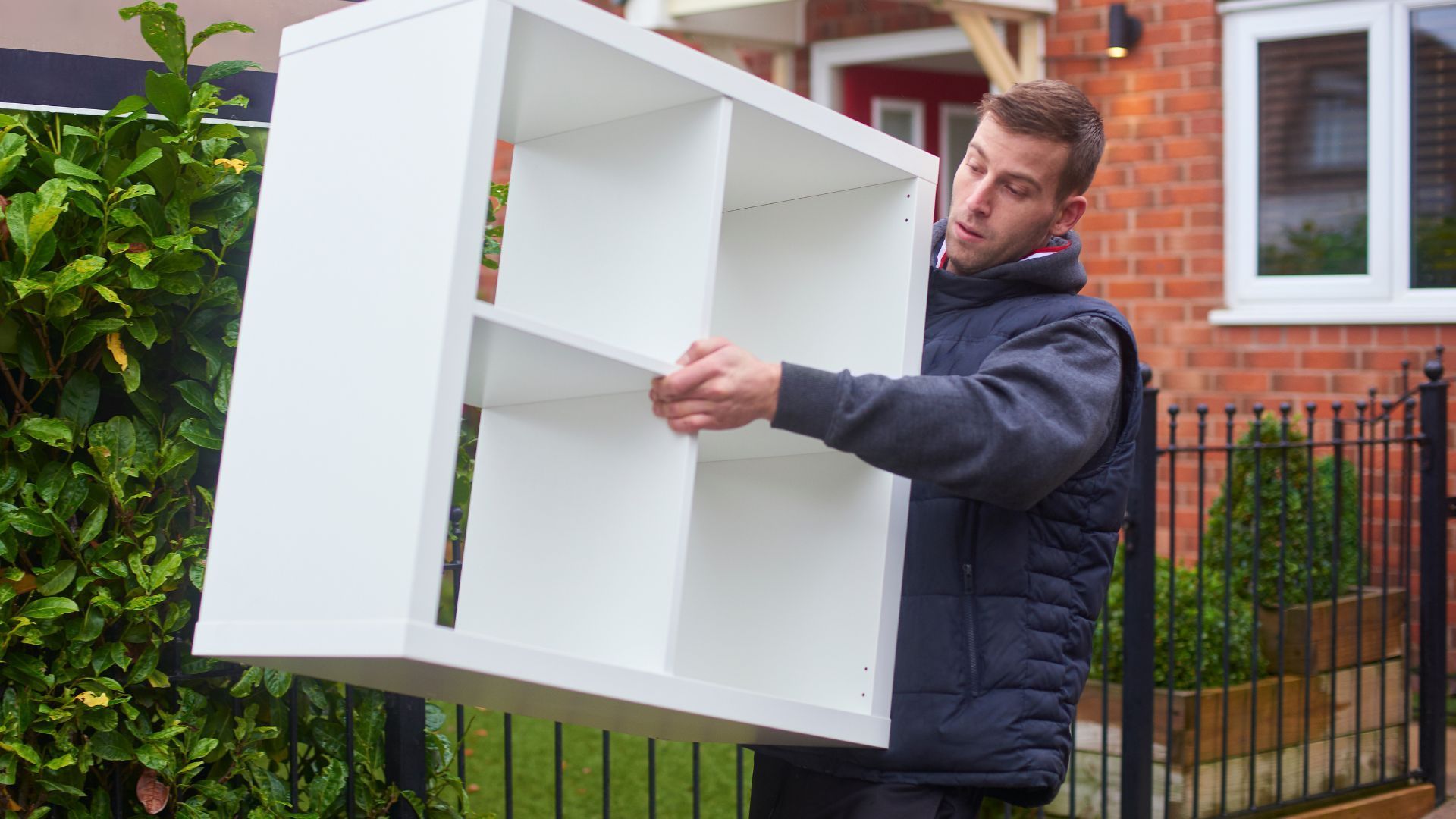
How to Protect Furniture When Moving: Beyond the Physical Layer
Most furniture moving tips focus on how to wrap furniture for moving, how to use moving blankets for furniture, and which moving supplies for furniture prevent scratches. That physical layer is worth doing. But physical protection only addresses damage prevention. The financial protection layer determines your outcome when prevention fails.
Before moving day, work through this list:
- Read the valuation section of your contract before signing
- Ask your mover to explain released value and full value protection out loud
- Get your chosen valuation option confirmed in writing on the contract
- Check whether your homeowner's or renter's insurance covers items in transit
- Ask about declared value coverage or supplemental insurance for high-value pieces
- Photograph your furniture with estimated replacement values before the truck arrives
That last step costs nothing and takes less than an hour. Timestamped photos on your phone create a record that supports any claim you may need to file later.
For more on what a properly documented move looks like, see our long-distance moving guide.
The Physical Side of Moving Furniture Without Damage
Physical and financial protection work together. You want both. Here is what licensed professional movers should do to protect upholstered furniture and other pieces during transport.
How Professional Movers Wrap and Pad Furniture
Moving furniture the right way starts with moving blankets. Every padded surface, sofas, chairs, dressers, bed frames, should be wrapped in moving blankets and secured with stretch wrap or straps. Moving blankets for furniture protect upholstered pieces from tears, fabric snags, and compression damage across long hauls.
Hard surfaces like wood tables and cabinets get moving blankets plus corner guards on exposed edges. Glass table tops and mirrors travel vertically in mirror cartons, never flat in a truck where other items can shift onto them.
A mattress bag for moving is standard for any mattress transported professionally. Without one, a mattress picks up moisture, odors, and surface damage from contact with the truck floor or other cargo. It's a basic step that pays off over distance.
How to Move Furniture Without Damage on Your End
For items you're packing before the crew arrives, a few steps reduce risk significantly. Use moving blankets or furniture pads on anything with a finished wood surface. Wrap upholstered pieces in stretch wrap to keep fabric clean and compressed during handling.
Disassemble what you can. Table legs, bed frames, and shelving units sustain far less damage when broken into smaller pieces. Keep all hardware in labeled bags taped directly to the item they came from.
Pull drawers out before moving a dresser. Full drawers add weight, shift during transport, and can split the frame of an older piece. For moving supplies for furniture, furniture sliders let you move heavy pieces across hardwood or tile without gouging the floor.

What to Do If Your Furniture Arrives Damaged
The claims process starts at delivery. Note any visible damage directly on the bill of lading before the driver leaves. Take photos immediately. Do not sign a clean delivery receipt if you can see damage on the truck.
After delivery, federal regulations give you nine months to file a written claim with the mover. The mover then has 30 days to acknowledge it and 120 days to pay or deny it. These timelines apply to licensed interstate carriers registered with the FMCSA.
If you selected full value protection, the mover owes you repair, replacement, or current market value. If you selected released value, the $0.60 per pound calculation applies, and there's very little ground to stand on beyond that number.
This is why the valuation conversation before you sign matters so much. The time to understand your coverage is before the truck is loaded, not after something breaks.
Hiring a Mover Who Takes This Seriously
Moving furniture across Tennessee or across the country carries real financial risk if your carrier isn't properly licensed. A mover registered with the FMCSA is legally required to offer valuation options and explain them. An unlicensed carrier has no such obligation and no federal accountability.
When comparing movers, ask each one directly how they handle valuation coverage. Ask them to explain the difference between released value and full value protection. The quality of that answer tells you a lot about how they do business.
Trent Moving & Storage is a fully licensed Tennessee moving company. They explain valuation options clearly, document every move with a written inventory, and handle your belongings with the care that makes the claims conversation one you hopefully never need. See our residential moving services for a full picture of how a properly managed move runs from contract to delivery.